Archive
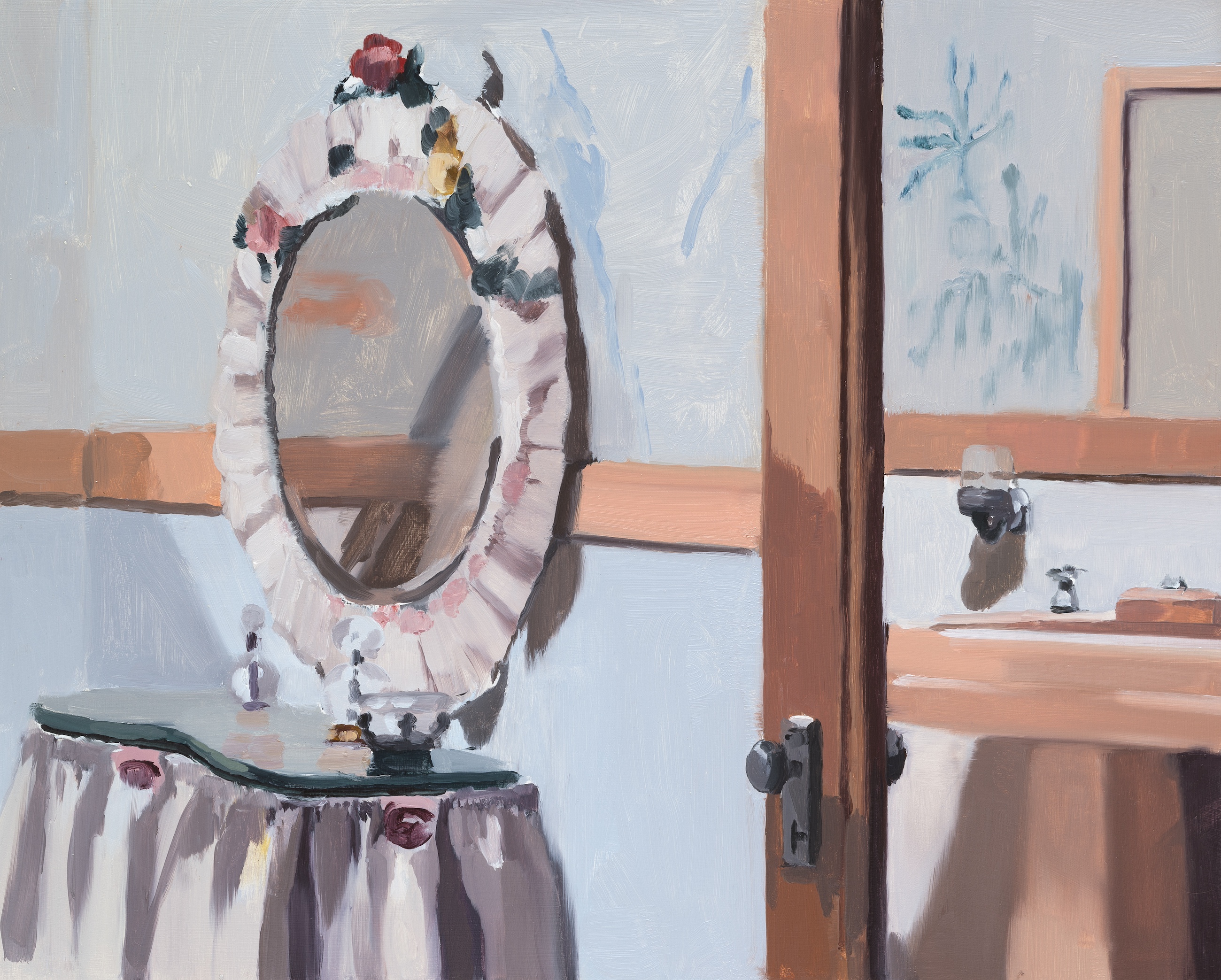
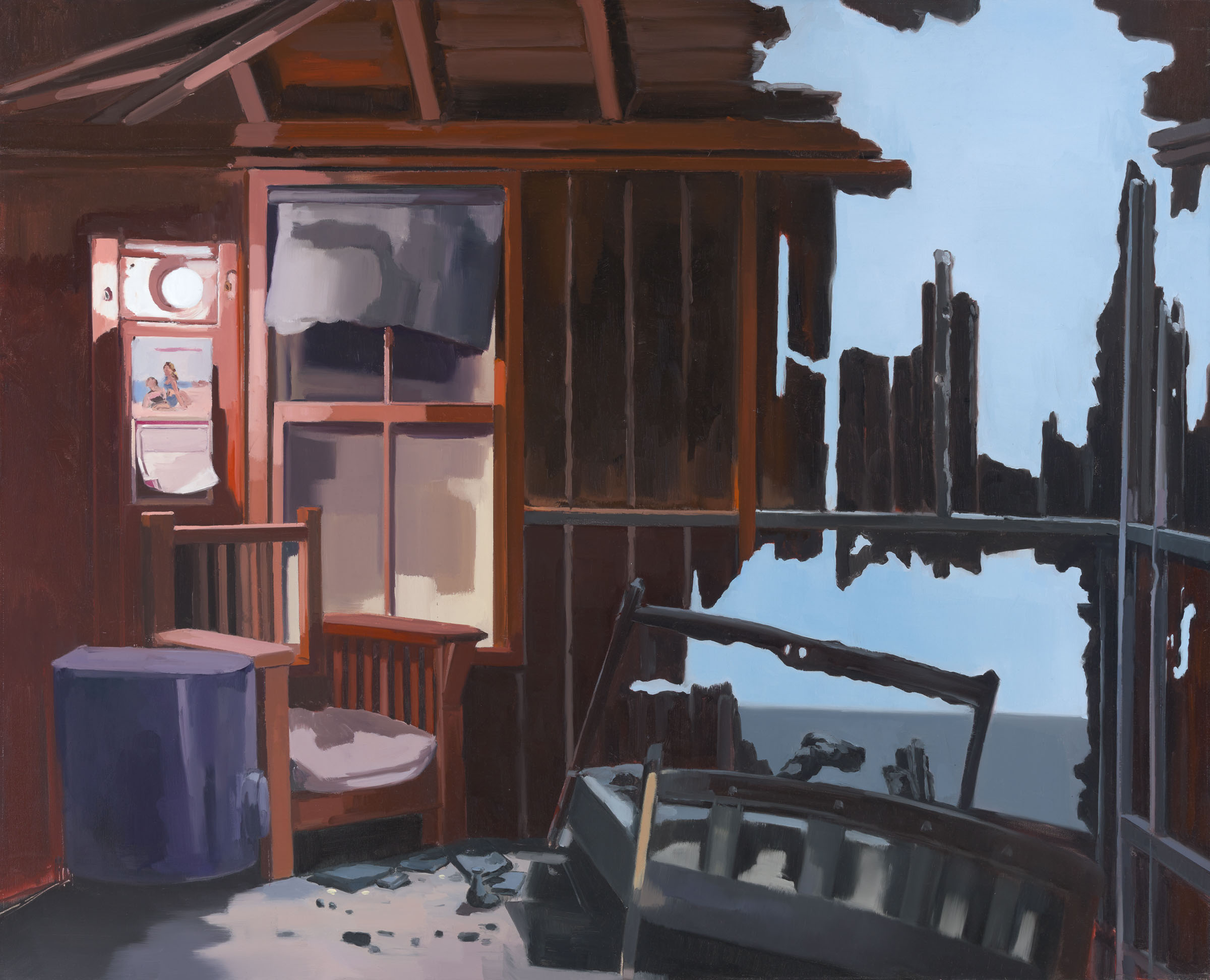
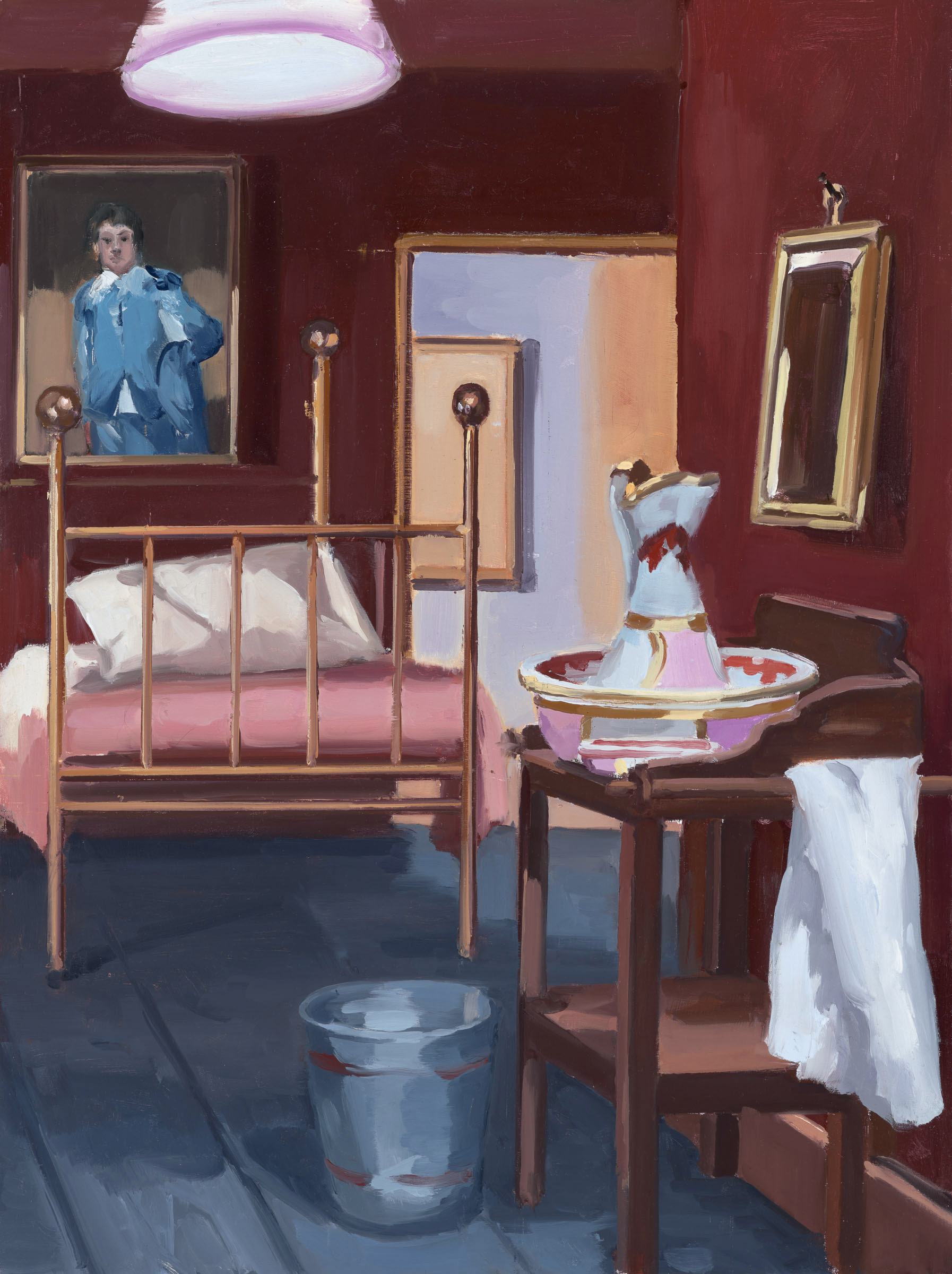
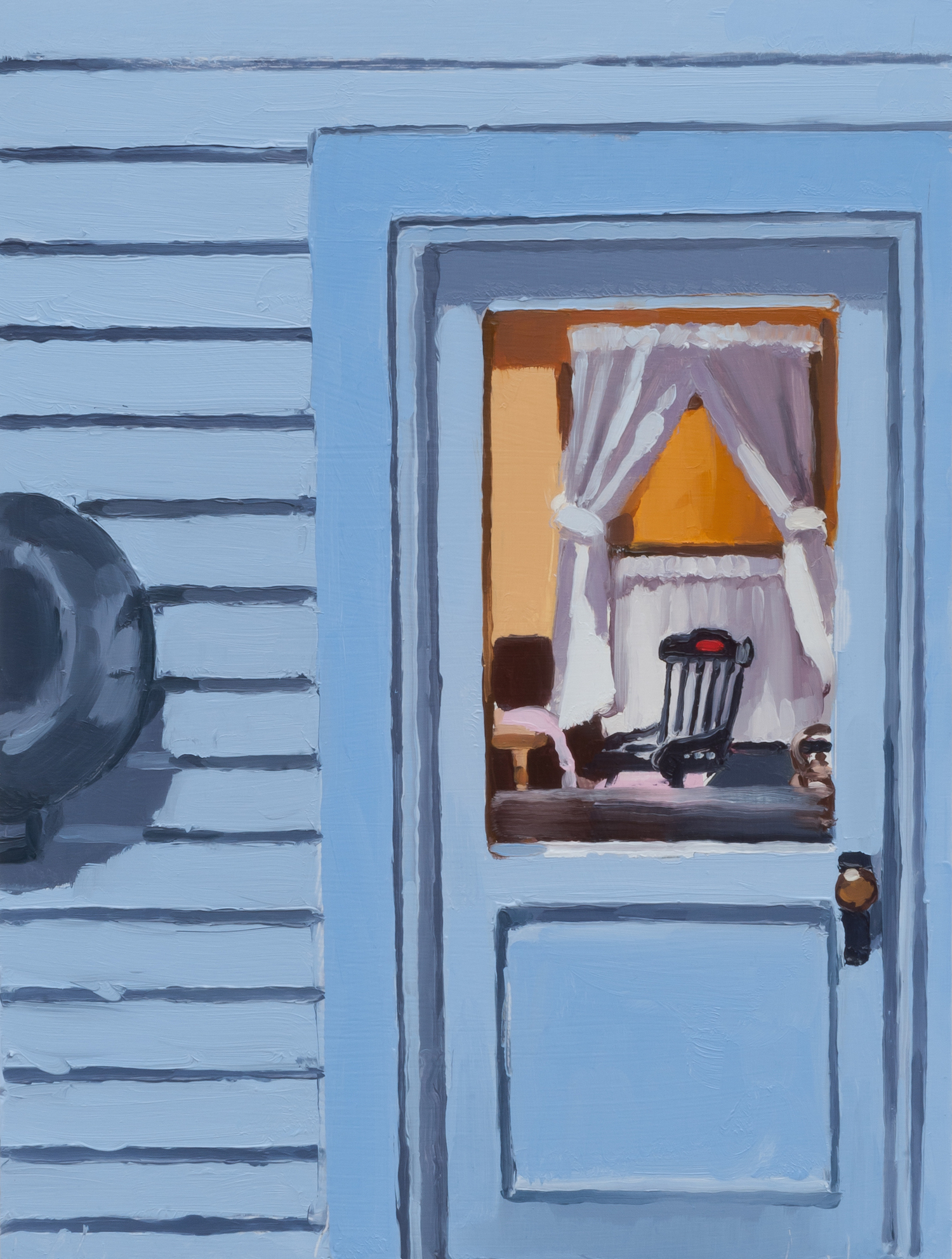
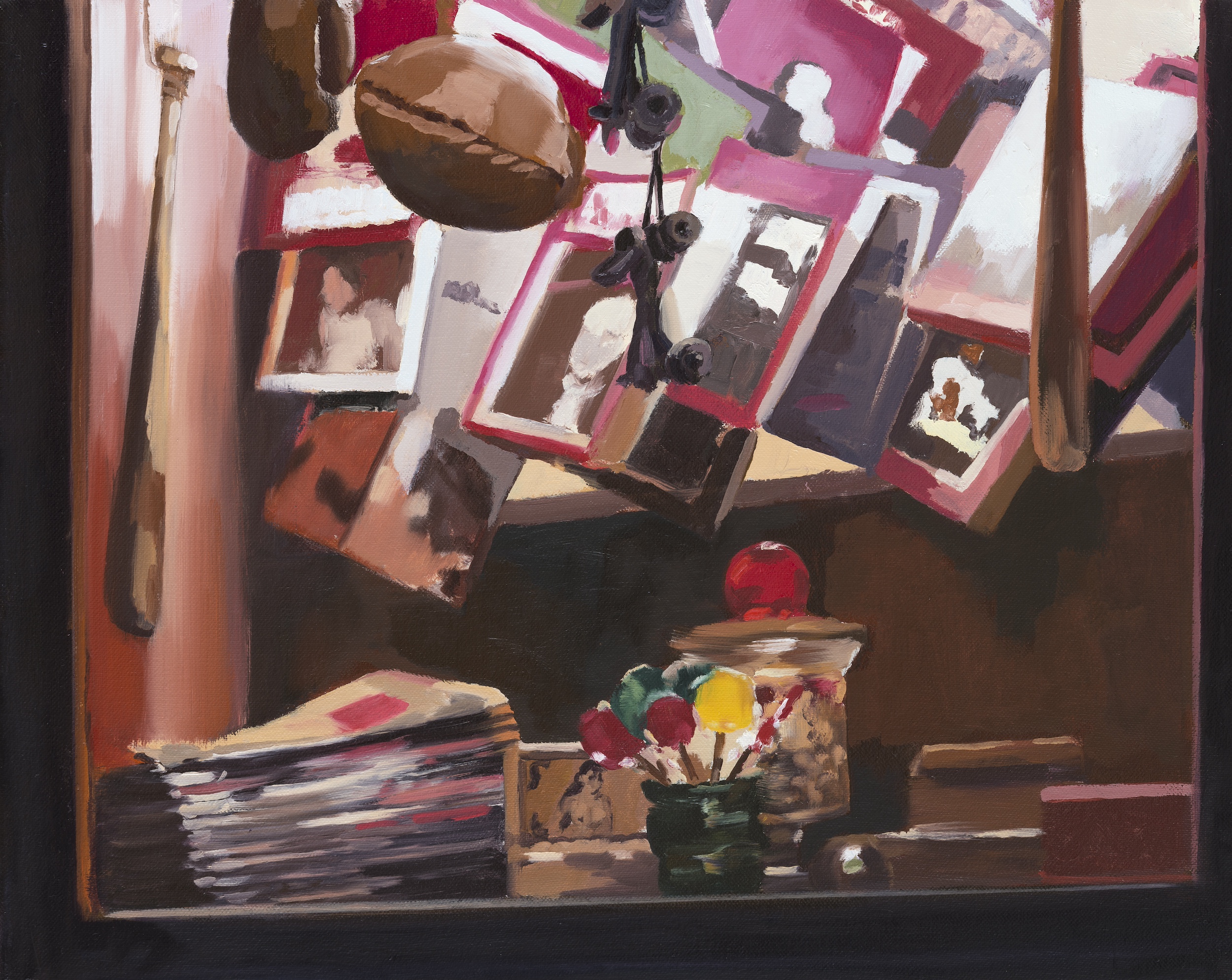
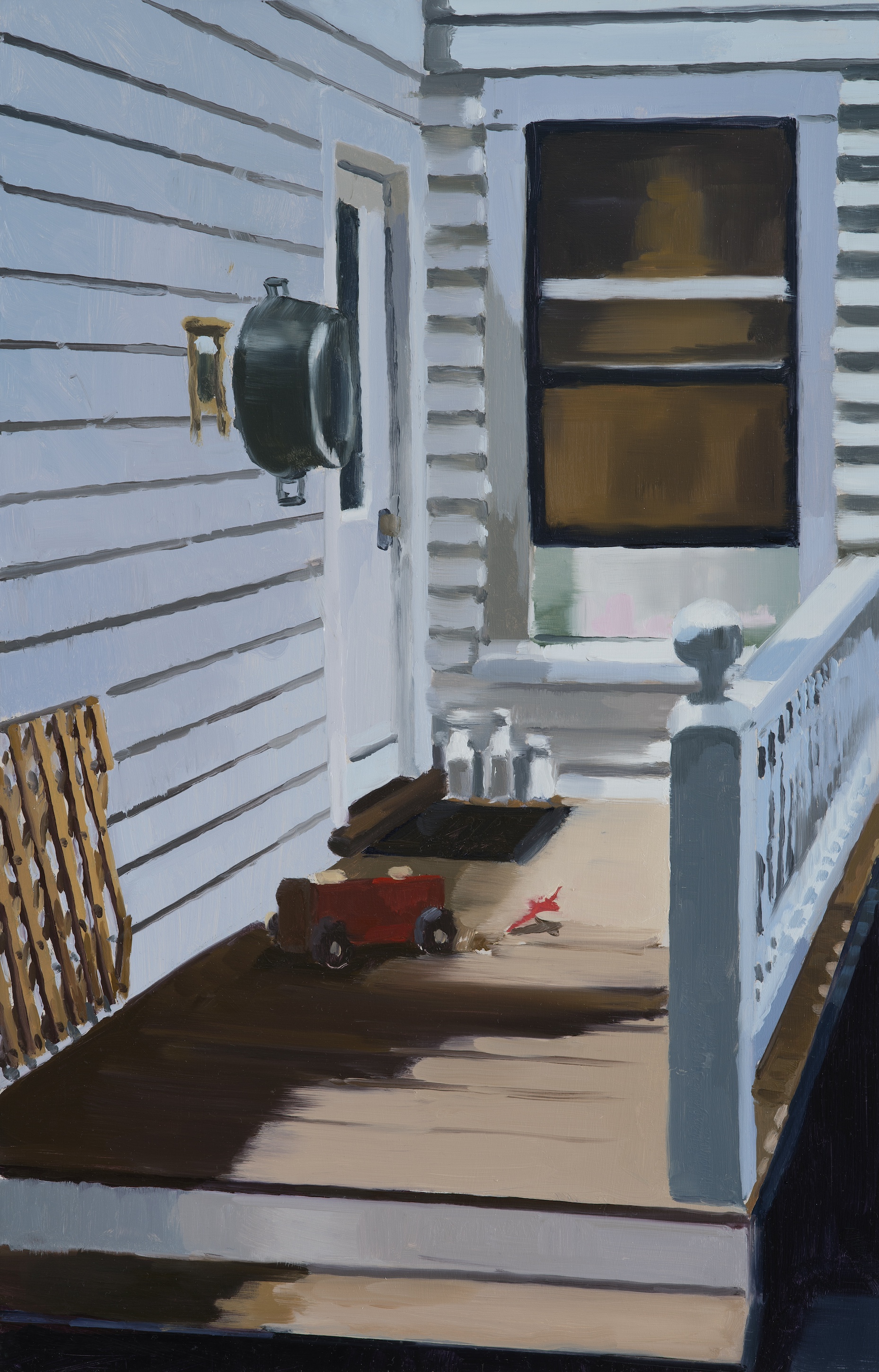
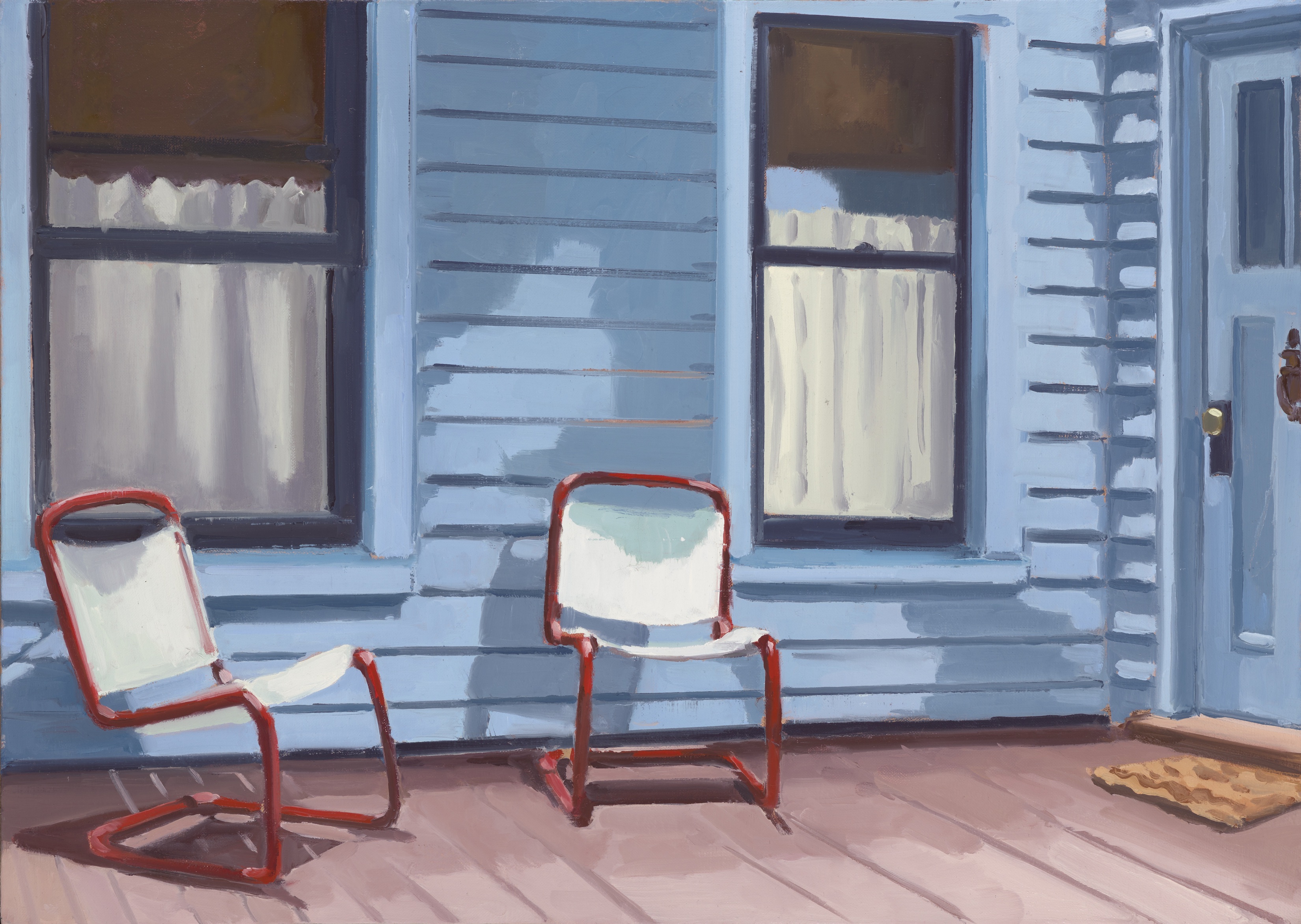
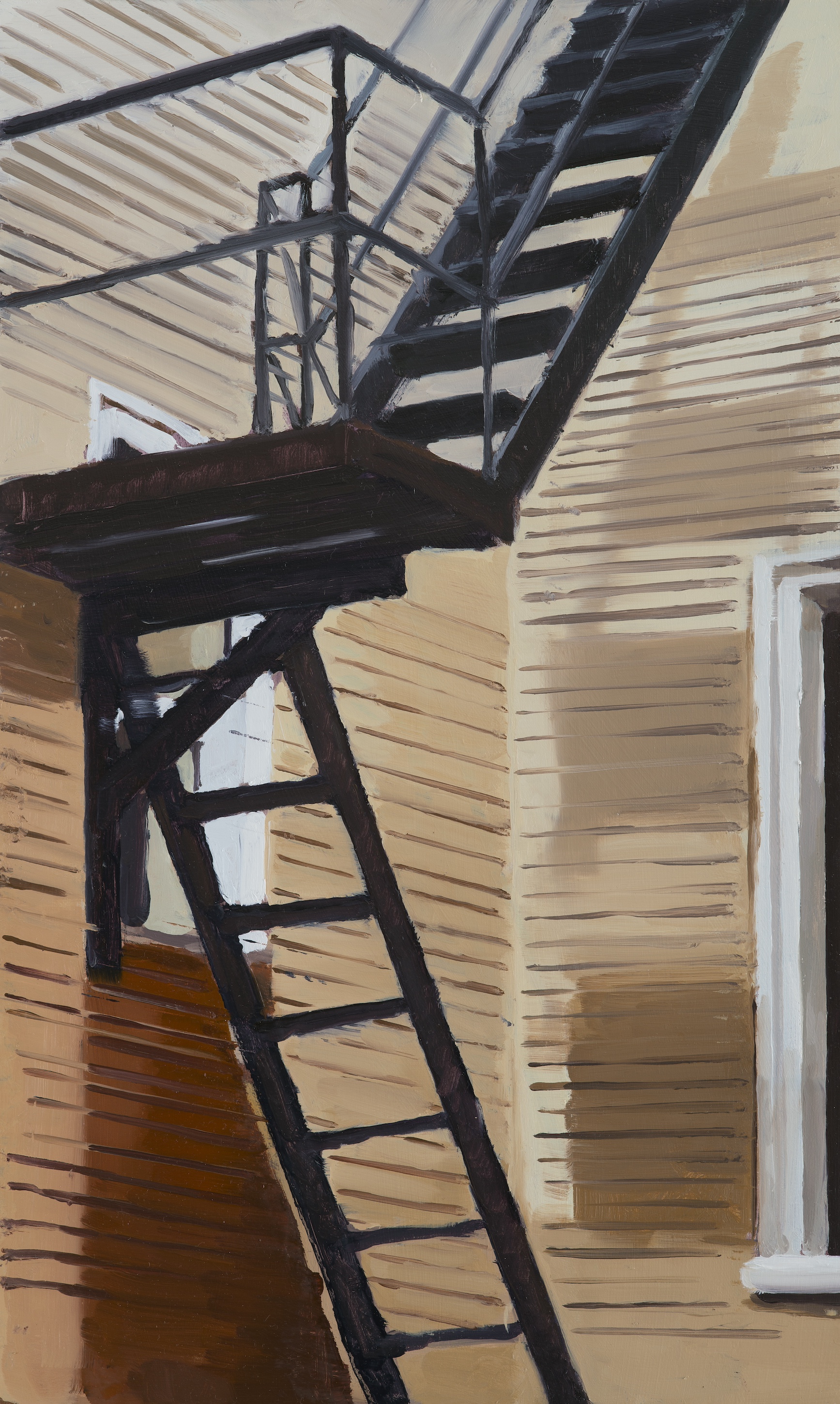
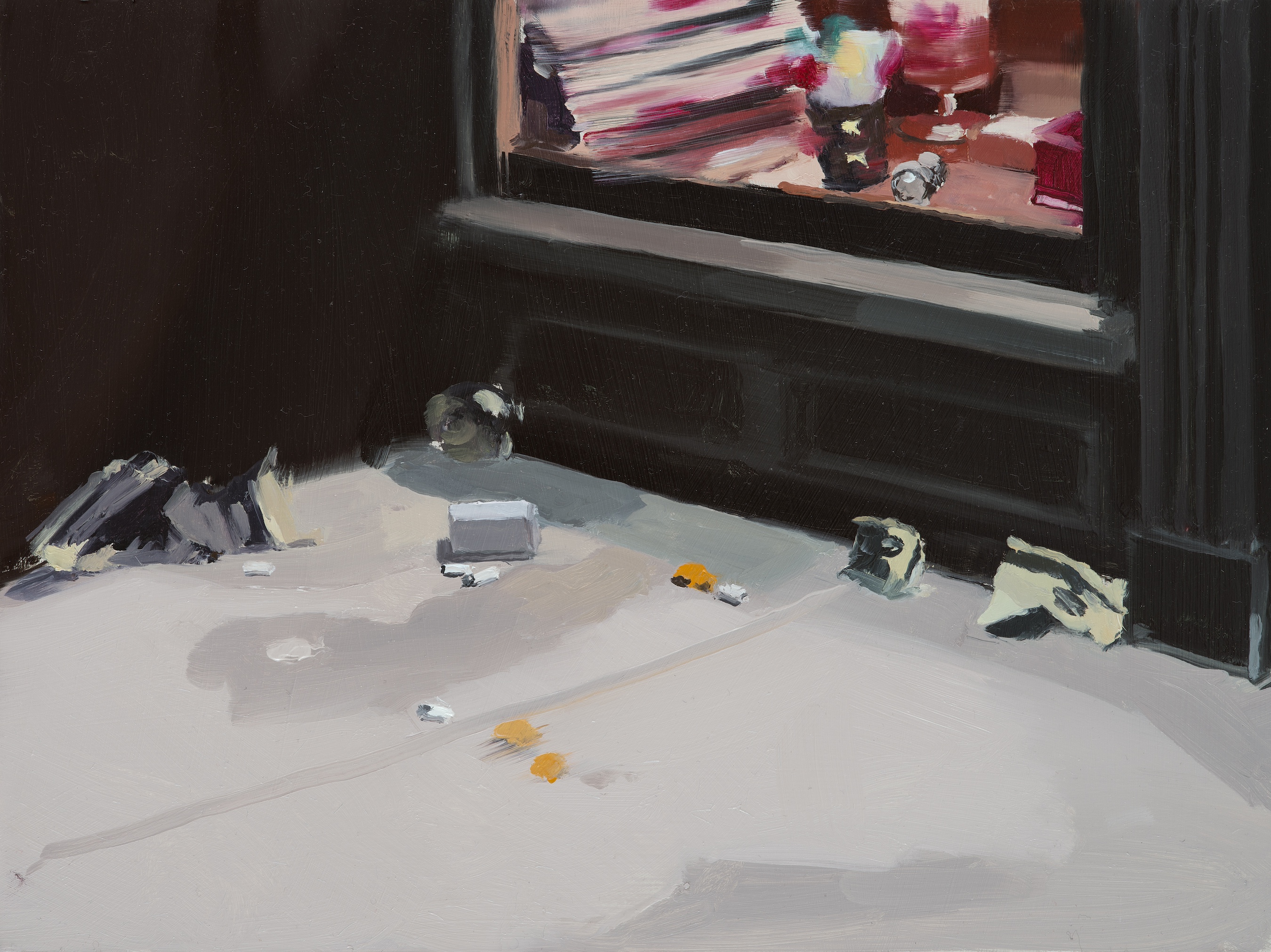
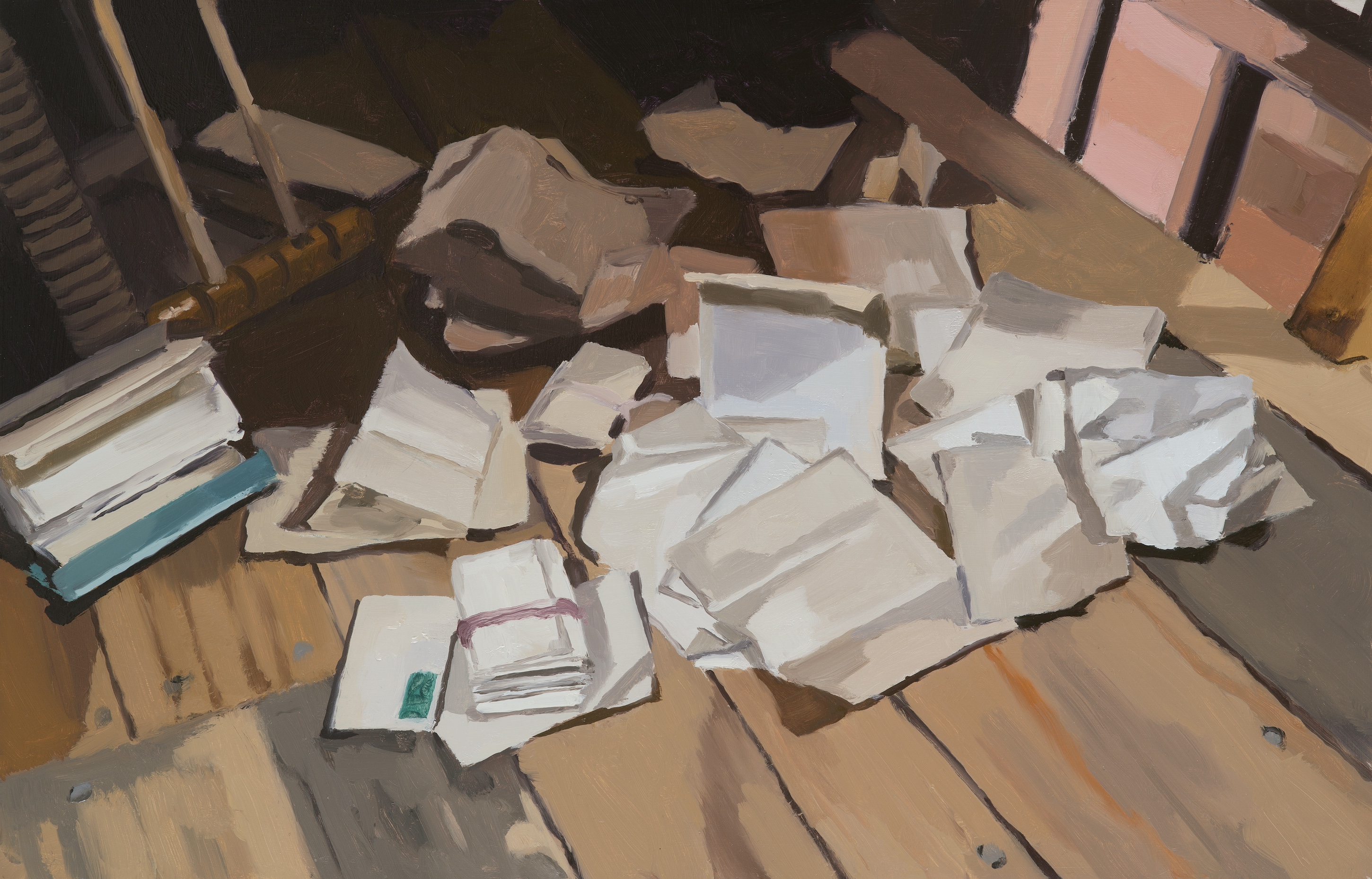
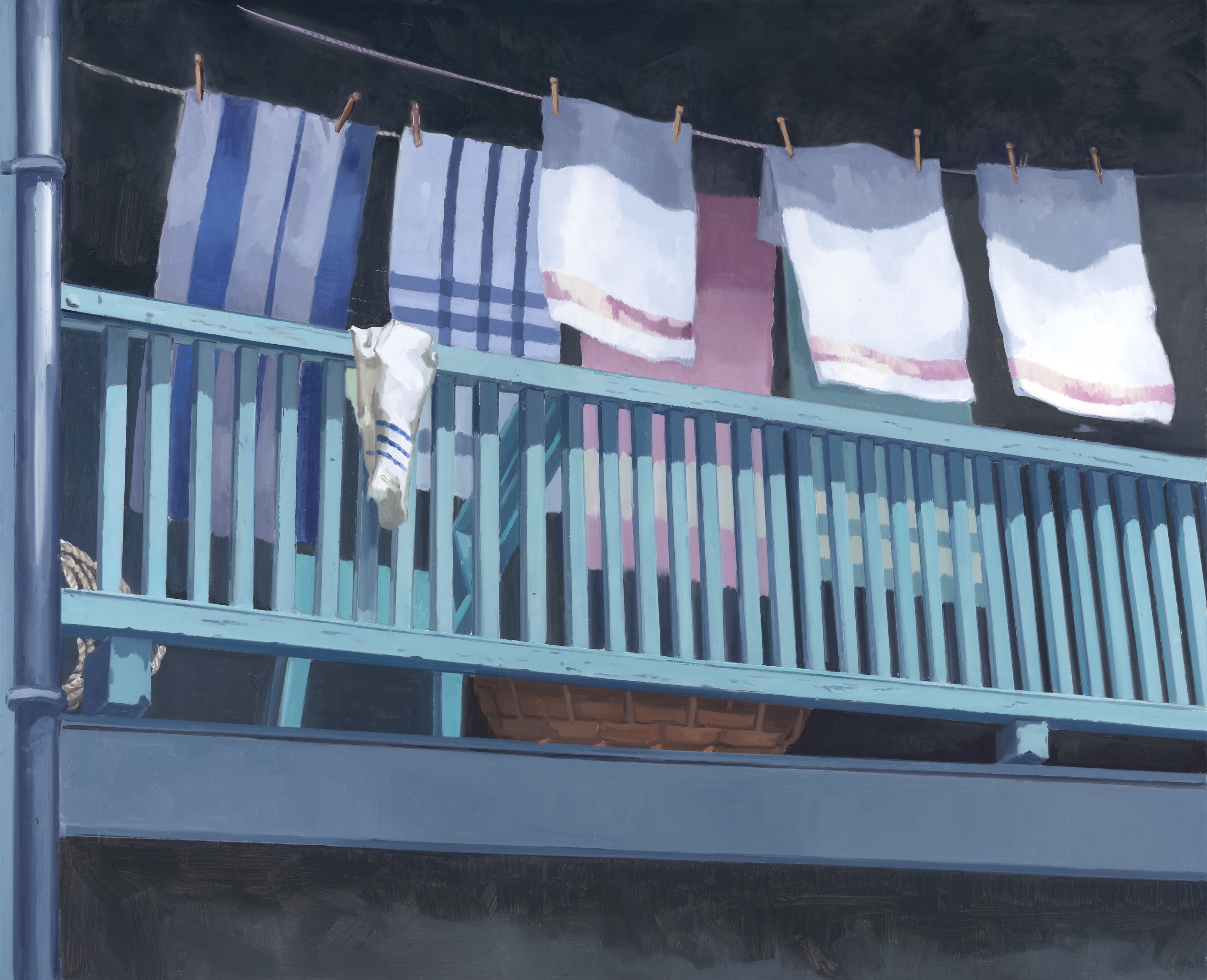
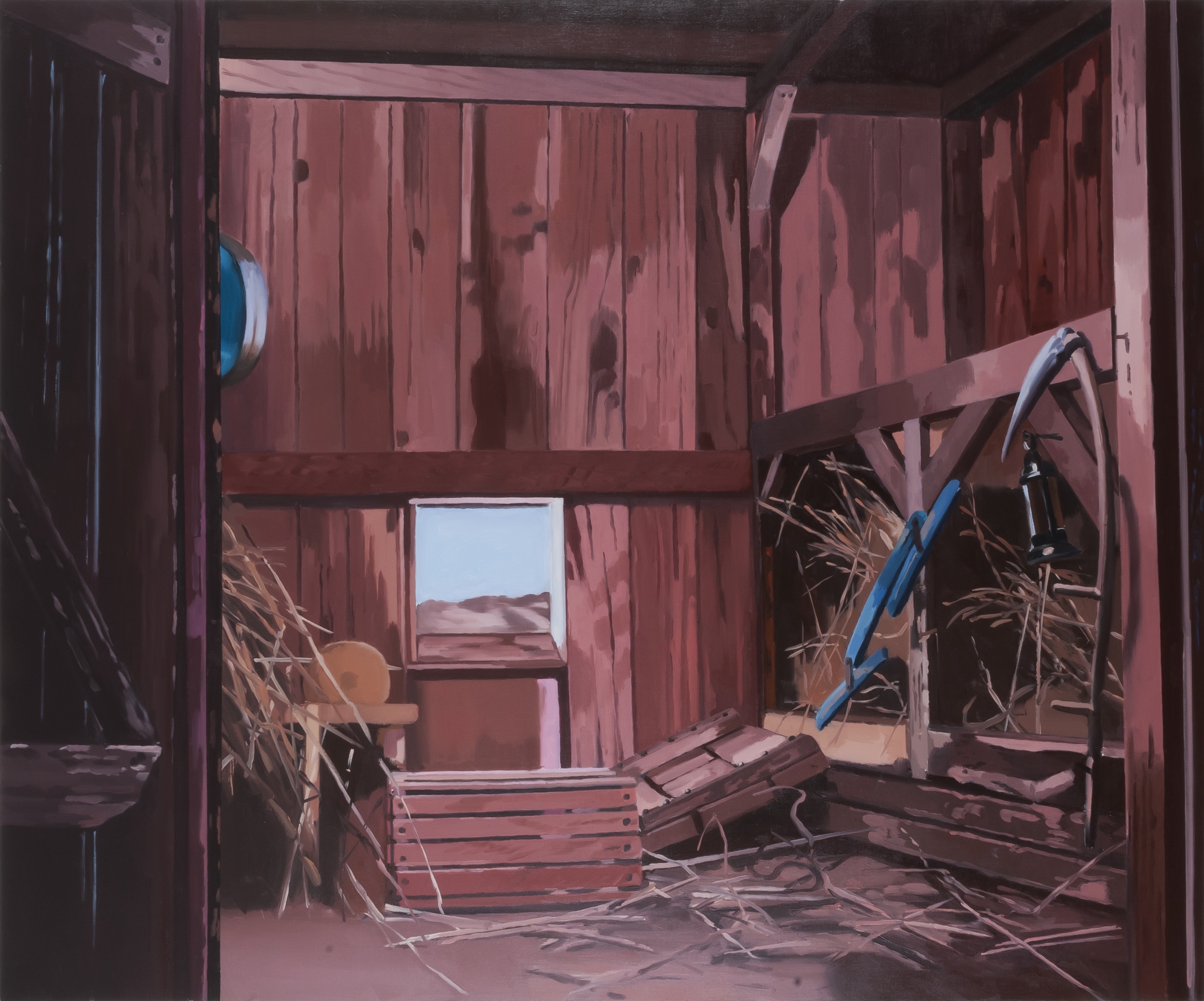
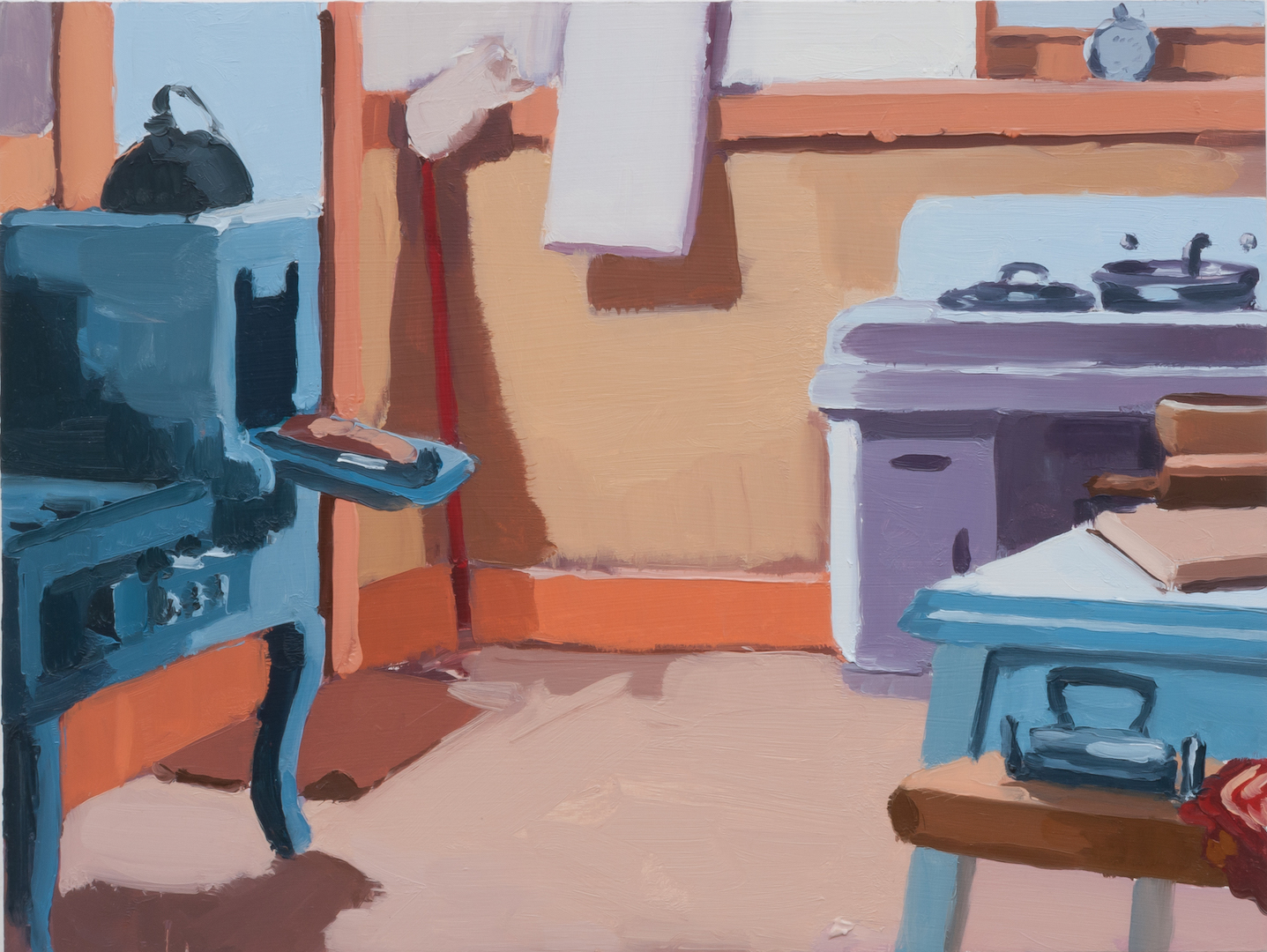
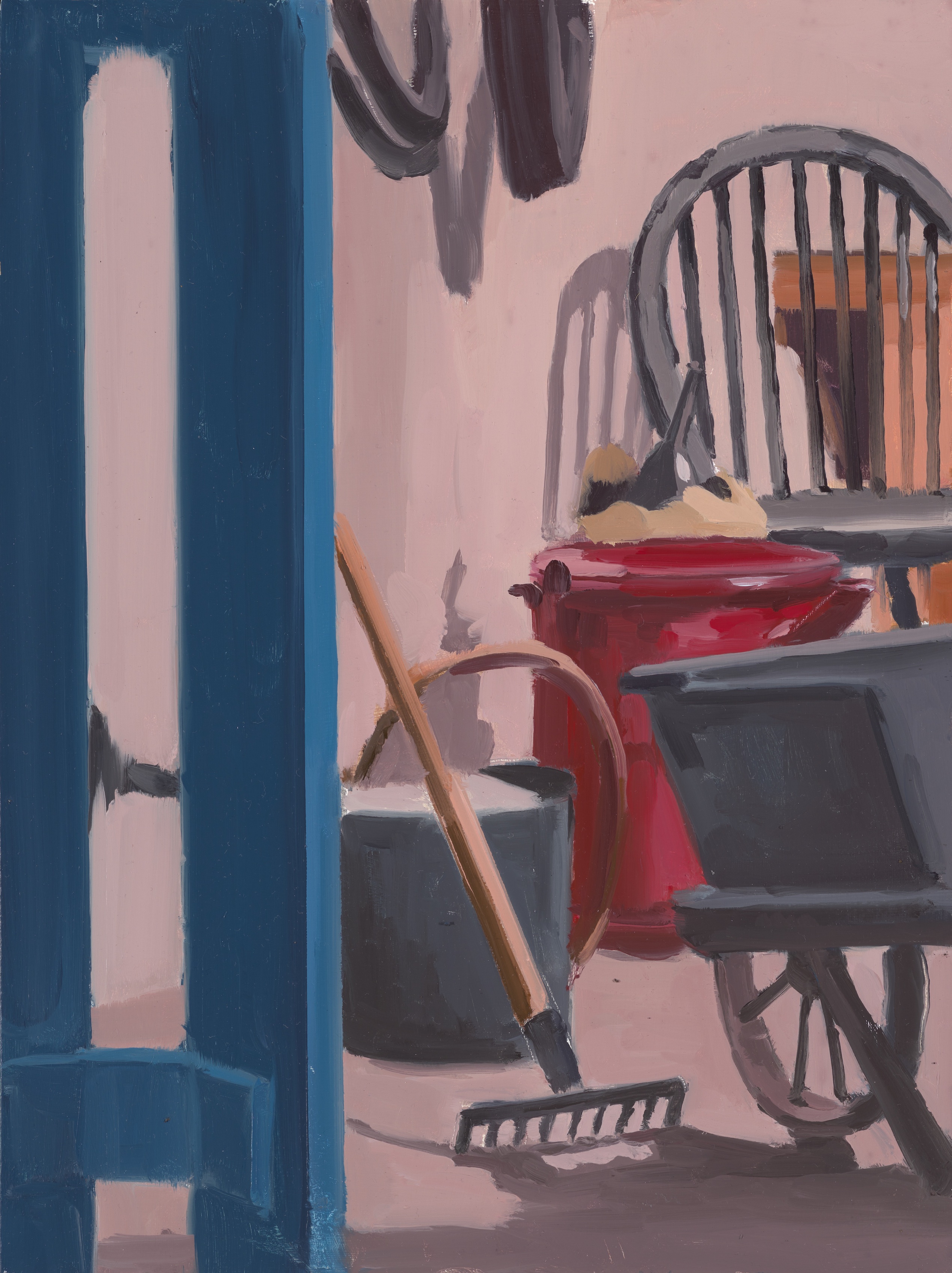
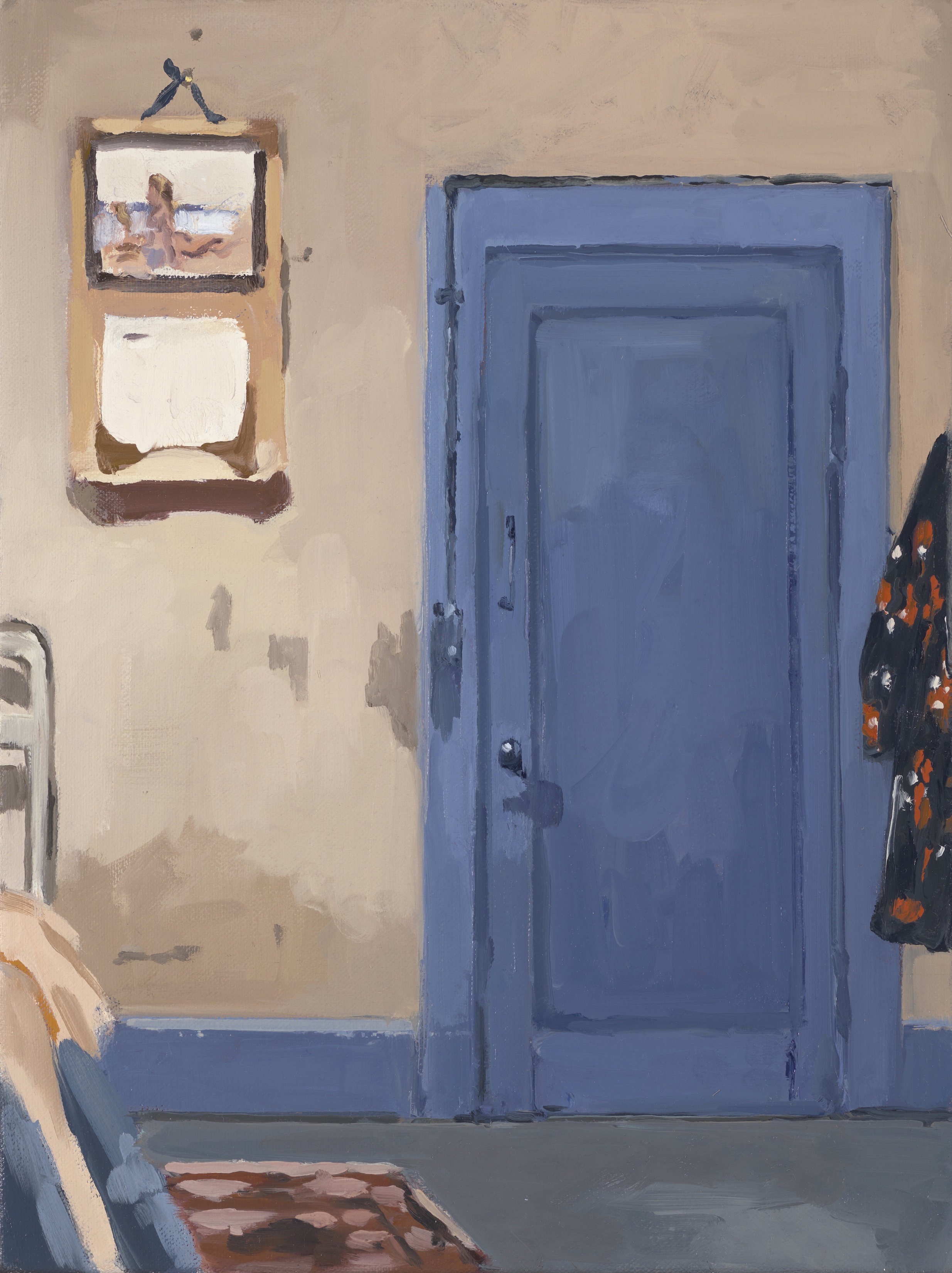
In 2017 I went to the Baltimore Medical Examiner's Office to study Frances Glessner Lee's Nutshell Studies of Unexplained Death. These meticulously crafted miniature dioramas were designed to train homicide investigators, offering them complex, ambiguous scenes to analyze. What fascinates me about these miniature crime scenes is how domestic interiors, objects, and traces of human presence can suggest multiple narratives without ever resolving into a single story. By removing the figures from my own work, I became increasingly interested in absence itself: how spaces, details, and atmosphere can evoke memory, vulnerability, and the uncanny while leaving room for the viewer’s imagination. We might be looking in from the outside or immersed within intimate spaces. Thresholds become significant, the interconnectedness of outside and inside, the disposition of objects in space and the subtle indications of habit and use. As Gaston Bachelard said in Poetics of Space “a house that has been experienced is not an inert box”. Dwellings are repositories of lived experience, sites of organic habits, fingertip memories, a shelter of the imagination. I found Susan Stewart’s reflections on the miniature particularly resonant: In her wonderful book “On longing: Narratives of the Miniature, the Gigantic, the Souvenir, the Collection" she discusses research suggesting that when people engage with miniature environments, their perception of time slows dramatically. The miniature, she argues, creates a kind of private temporality, allowing us to escape the linear industrial time of everyday life and enter the infinite time of reverie.I also wanted to draw attention to the radical gesture at the heart of this project. Glessner Lee appropriated traditionally “feminine” crafts—miniature-making, dollhouse construction—and used them to advance the rigor of a male-dominated field.